Can Steam Mops Damage Engineered Hardwood Floors?
This guide to 100c steam safe for engineered hardwood floors explains the practical details worth knowing before you make your next decision.
When I first considered using a steam mop on my engineered hardwood floors, I was drawn to the idea of a chemical-free, deep clean. The promise of killing germs and lifting grime with just water and heat seemed incredibly appealing, especially with pets and kids around. However, I quickly realized that not all flooring is created equal, and the intense heat of steam, particularly at temperatures like 100°C, could be a real concern for certain materials. My main question became: is 100°C steam truly safe for engineered hardwood floors, or am I risking damage?
Honestly, the thought of ruining a beautiful floor is enough to make anyone pause. Engineered hardwood, with its layered construction, is more resilient than solid hardwood in some ways, but it’s not invincible. Understanding how that high heat interacts with the wood veneer and the adhesives used is key. So, I dug into what experts and manufacturers say, and what we both need to know before we even think about firing up that steam mop.
Table of Contents
100c steam safe for engineered hardwood floors: What You Need to Know
Engineered hardwood floors are made of multiple layers: a thin top layer of real wood veneer, a core of plywood or high-density fiberboard (HDF), and a backing layer. While this construction offers stability, the real wood veneer is still susceptible to moisture and heat. When you introduce 100°C steam, you’re essentially blasting the surface with intense moisture and heat. This can cause the real wood veneer to swell, warp, or even delaminate, especially if the steam penetrates the seams between planks. The adhesives holding the layers together can also weaken under prolonged exposure to such high temperatures and moisture, leading to bubbling or separation.
The Risks of 100°C Steam on Engineered Wood
Here’s the thing: while some manufacturers might claim their engineered wood can handle *some* steam, 100°C is a significant temperature. My research indicates that this level of heat is generally too much for most engineered hardwood floors. The primary risks include: swelling of the wood veneer, which can cause buckling; discoloration as the heat and moisture affect the finish; and, most critically, delamination, where the top layer separates from the core. This damage is often irreversible and can be quite costly to repair. It’s not just about a quick wipe-down; it’s about the long-term integrity of your flooring. I’d still check your specific manufacturer’s warranty and recommendations, as they are the ultimate authority on their product.
Why Steam Mops Aren't Ideal for Engineered Wood
Steam mops work by heating water to create steam, which is then forced onto the floor. Even on their lowest settings, many steam mops operate at temperatures well above what’s recommended for engineered hardwood. The continuous application of heat and moisture, even for a short period, can be detrimental. Unlike a damp mop that uses minimal moisture and allows the floor to dry quickly, a steam mop saturates the surface. For engineered wood, this is a recipe for potential problems. We found that even models advertised as ‘safe for sealed floors’ can still pose a risk if the sealant isn’t robust enough or if the steam penetrates any micro-cracks in the finish. It’s a trade-off between perceived cleanliness and potential damage.
Safer Alternatives for Cleaning Engineered Hardwood
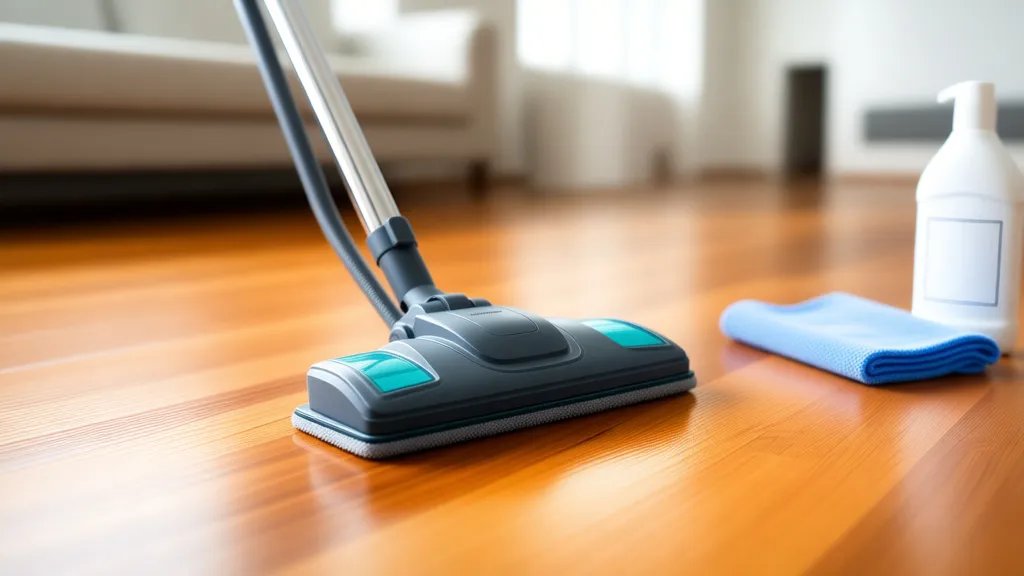
So, if steam mops are generally out, what’s the best way to keep our engineered hardwood floors clean? My go-to method involves a microfiber mop and a pH-neutral wood floor cleaner. You want to use a cleaner specifically formulated for engineered hardwood. The key is to use the cleaner sparingly – just enough to dampen the mop pad, not to saturate the floor. Wring out the mop thoroughly so it’s barely damp. Regular sweeping or vacuuming with a hard floor attachment is also essential to pick up dust and debris before it can scratch the surface. This approach ensures you get a good clean without introducing excessive moisture or heat that could harm your beautiful floors.
Frequently Asked Questions
Can I use a steam mop on my engineered hardwood floors at all?
Honestly, I would strongly advise against using a steam mop, especially one that reaches 100°C, on engineered hardwood floors. While some manufacturers might say ‘yes’ with caveats, the risk of damage like swelling, warping, or delamination is significant. It’s generally safer to stick to methods that use minimal moisture, like a well-wrung-out damp mop with a specialized wood floor cleaner. Always check your flooring manufacturer’s specific care instructions first.
What temperature is too hot for engineered hardwood?
There isn’t a single ‘too hot’ temperature universally cited, as it depends on the specific construction and finish of the engineered hardwood. However, steam mops typically operate at temperatures that generate steam, which can be anywhere from 100°C (212°F) upwards. This level of heat, combined with moisture, is generally considered too high for the adhesives and wood layers. My research suggests that avoiding direct, prolonged heat and excessive moisture is the safest bet for maintaining the integrity of your engineered hardwood flooring.
How do I know if my engineered hardwood is damaged by steam?
Signs of steam damage on engineered hardwood can include visible cupping or crowning of the planks, where the edges are higher or lower than the center. You might also notice discoloration, a dulling of the finish, or even bubbling or peeling in certain areas. If you see any of these changes after using a steam mop, it’s a clear indication that the heat and moisture have compromised the floor’s structure. Unfortunately, this kind of damage is often permanent.
When you revisit 100c steam safe for engineered hardwood floors, start with the practical outcome you want to achieve.
Conclusion
After looking into it, my verdict is clear: using a steam mop at 100°C on engineered hardwood floors is a gamble I wouldn’t recommend taking. The potential for irreversible damage to the wood veneer and adhesives is simply too high. While the idea of a steam-cleaned floor is appealing, sticking to proven, low-moisture cleaning methods with a good microfiber mop and a pH-neutral cleaner is the safest and most effective way to preserve the beauty and longevity of your engineered hardwood. Your floors will thank you for it in the long run.