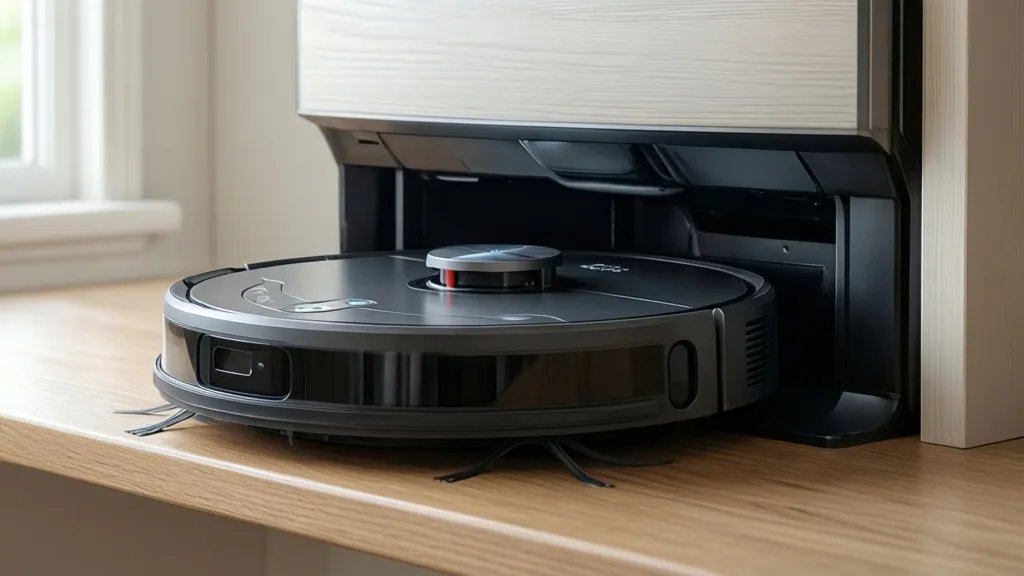
How Under Cabinet Robot Vacuum Docks Work
This guide to under cabinet robot vacuum docks explains the practical details worth knowing before you make your next decision.
When I first saw an under cabinet robot vacuum dock, I was intrigued. My kitchen counter space is precious, and seeing a robot vacuum disappear neatly out of sight felt like a game-changer. Honestly, the idea of a robot vacuum that doesn’t just sit in a corner, looking like a misplaced frisbee, is pretty appealing. These docks promise a cleaner look and a more integrated approach to home automation, which is exactly what I look for when setting up smart home tech.
But how do they actually work? It’s not just about sticking a charging base under a cabinet; there’s a bit more to it. I started digging into the technology and design behind these units to understand the practicalities. My goal was to figure out if they’re as convenient as they seem and what someone like you, who’s also trying to maximize space and minimize clutter, really needs to know before considering one. Let’s break down the mechanics and the real-world implications.
Table of Contents
under cabinet robot vacuum docks: What You Need to Know
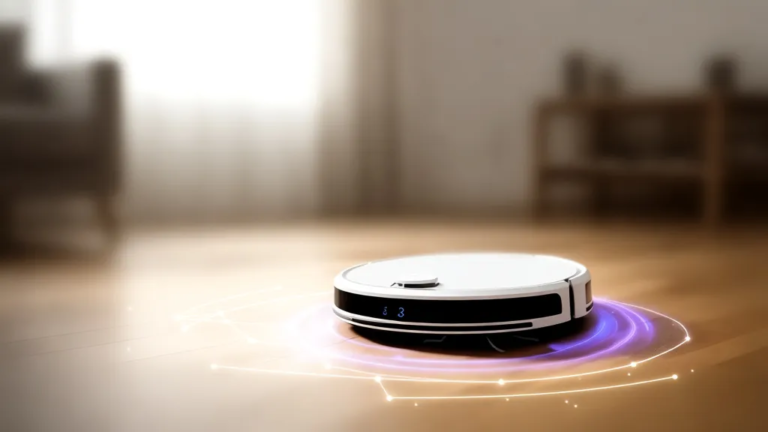
At its heart, an under cabinet robot vacuum dock is a specialized charging station designed for a specific robot vacuum model. The robot vacuum itself has charging contacts on its underside or sides, and the dock has corresponding contacts that align when the robot enters. When the vacuum’s battery gets low, or after it completes a cleaning cycle, it navigates back to the dock. The dock provides the necessary power to recharge the vacuum’s lithium-ion battery, ensuring it’s ready for the next scheduled clean. This process is automated, relying on the vacuum’s sensors to find its way home.
Mounting and Space-Saving Design
The ‘under cabinet’ part is where the magic happens for space-saving. These docks are designed to be mounted directly to the underside of kitchen cabinets or shelves. This means the robot vacuum, when docked, is completely hidden from view. Installation typically involves screws and a mounting bracket, similar to installing a shelf or a small appliance. The key here is ensuring there’s enough clearance for the robot to maneuver in and out of the dock without obstruction. For example, you need to consider the height of the cabinet above and the depth of the cabinet sides. Some models even include a small ramp or guide to help the robot align perfectly. This hidden storage is a major draw for those who dislike visible clutter.
Navigation and Obstacle Avoidance
For an under cabinet dock to work effectively, the robot vacuum needs to be able to find it reliably. Most modern robot vacuums use a combination of infrared sensors and internal mapping (like LiDAR or vSLAM) to navigate. When it’s time to dock, the vacuum will scan its environment for the dock’s specific infrared beacon or its pre-mapped location. The dock itself usually has a low-profile design that doesn’t interfere with the robot’s sensors. However, it’s crucial that the area in front of the dock is kept relatively clear. If toys, pet bowls, or other items are left in the robot’s path, it might struggle to dock successfully, which can be frustrating. This is a trade-off for the hidden storage – you need to be a bit more mindful of keeping the docking zone clear.
Self-Emptying Capabilities
Many advanced robot vacuums now come with self-emptying bases, and this feature is often integrated into under cabinet dock designs. In these systems, the dock isn’t just for charging; it also contains a larger dustbin. When the robot docks, a powerful suction mechanism in the base empties the robot’s smaller onboard dustbin into the larger one. This means you only have to manually empty the dock’s bin every few weeks or months, depending on your home’s dust levels and the size of the bin. This significantly reduces the frequency of maintenance and makes the entire cleaning process more hands-off. The larger dustbin capacity is a key benefit for busy households.
Compatibility and Installation Considerations
Here’s the thing: under cabinet robot vacuum docks are rarely universal. They are typically designed to work with a specific brand or even a specific model series of robot vacuum. You can’t just buy any under cabinet dock and expect it to work with your existing robot. You’ll need to ensure the robot vacuum you own, or are planning to buy, is compatible with an under cabinet dock. Installation can also be a factor. While most are designed for DIY installation, you need to be comfortable with basic tools and mounting. Measuring your cabinet space carefully to ensure adequate clearance for both the dock and the robot’s entry is essential. Some docks might require access to a power outlet nearby, though many use a low-profile power cord that can be routed discreetly.
Frequently Asked Questions
Can any robot vacuum dock under a cabinet?
No, not just any robot vacuum. Under cabinet robot vacuum docks are designed for specific robot vacuum models. You need to purchase a robot vacuum that is explicitly compatible with an under cabinet docking system, or buy a dock designed for your existing robot model. The robot’s dimensions and its docking sensor alignment are critical factors.
How much space do I need for an under cabinet dock?
You’ll need enough clearance for the robot to maneuver into the dock. This typically means ensuring there’s enough vertical space between the bottom of the cabinet and the floor (or any obstacles), and enough depth for the robot to extend its charging probes. Most manufacturers provide specific dimensions, but generally, you’ll want at least 8-10 inches of vertical clearance and sufficient depth for the robot to fit comfortably.
Do under cabinet docks require professional installation?
For most users, no. Under cabinet robot vacuum docks are generally designed for DIY installation using screws and a mounting bracket. However, if you’re not comfortable with basic tools or drilling into your cabinets, you might consider hiring a handyman. Ensuring the dock is securely mounted is important for its longevity and the robot’s safe operation.
What happens if the robot can't find its under cabinet dock?
If the robot vacuum can’t find its under cabinet dock, it might return to its last known charging spot, or it might simply stop cleaning and alert you via the app that it couldn’t dock. This usually happens if the path to the dock is blocked, or if the dock itself has been moved or is obstructed. Keeping the docking area clear is key to preventing this issue.
Useful next reads for this topic include how to clean the integrated cleaning tray on, Best Vacuum for Hardwood and Pets, and robot vacuum detect dog poop AI.
Conclusion
So, how do under cabinet robot vacuum docks work? They integrate charging, often self-emptying, into a discreet mounting system that hides your robot vacuum away. It’s a clever solution for anyone prioritizing a clean, minimalist aesthetic in their home. While they require specific robot models and careful installation, the benefit of reclaiming floor space and keeping your tech out of sight is significant. If you’re looking to streamline your smart home and reduce visual clutter, exploring an under cabinet robot vacuum dock is definitely worth considering. Just remember to check compatibility and measure your space carefully before you buy.