Are Biodegradable Vacuum Dust Bags Safe for Allergies?
When I first started looking into ways to make my home cleaning routine a bit more eco-friendly, I naturally gravitated towards products labeled ‘biodegradable’. It seemed like a no-brainer – a way to reduce waste while keeping my home tidy. My biggest concern, however, has always been allergies. Dust, pet dander, and pollen can turn a clean house into a sneeze-fest for me, so I needed to know if switching to biodegradable vacuum dust bags would actually help or hinder my efforts. Honestly, the marketing can be a bit vague, so I dug in to see what the real story is.
The core question for anyone with allergies is: do these bags effectively trap allergens, or do they release them back into the air? And what about the materials themselves – could they be a source of irritation? Here’s what I found as I researched the safety and effectiveness of biodegradable vacuum dust bags for allergy sufferers, focusing on what truly matters for air quality and allergen containment.
Table of Contents
What Makes a Vacuum Bag 'Biodegradable'?
Basically, ‘biodegradable’ means the material can break down naturally over time through the action of living organisms, like bacteria and fungi. For vacuum bags, this usually refers to the bag material itself, often made from paper or plant-based plastics. On paper, this sounds great for the environment. However, for allergy sufferers, the key isn’t just *if* it breaks down, but *how* and *when*. A bag that degrades too quickly might compromise its structural integrity, potentially leading to leaks. We also need to consider the rate of decomposition and whether the breakdown process releases any volatile organic compounds (VOCs) or fine particles that could irritate airways. It’s a balance between being earth-friendly and being a good barrier against microscopic irritants.
Allergen Containment: The Real Test
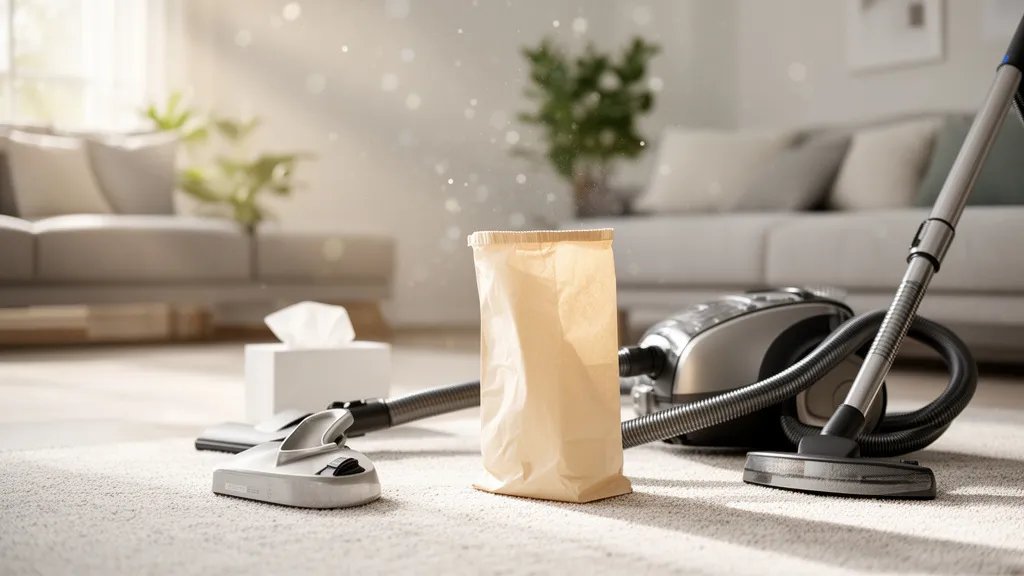
This is where my research really focused. A vacuum cleaner’s primary job, especially for allergy sufferers, is to suck up dust, pet dander, mold spores, and other allergens without blowing them back into the room. Standard vacuum bags often have multiple layers and a tight weave to achieve this. When I looked at biodegradable vacuum dust bags, I wanted to see if they offered comparable filtration. Many are made from multi-ply paper, which is a good start. However, the effectiveness can vary significantly based on the specific paper quality and the sealing mechanism. A bag that doesn’t seal properly when you remove it from the vacuum, or one with microscopic holes, will let allergens escape. I found that while many biodegradable options perform well for general dust, those with advanced HEPA filtration or multi-layer construction are generally superior for trapping the smallest, most problematic allergens like pollen and fine dust particles.
Material Safety: Beyond Biodegradability
Here’s a point that can be confusing: just because a bag is biodegradable doesn’t automatically mean it’s free from potential irritants. Some biodegradable materials, especially certain types of plant-based plastics, might be treated with chemicals to enhance their properties or speed up decomposition. While these are often considered safe for general use, individuals with extreme sensitivities or specific chemical allergies might react. I’d still check the product details for any mention of unbleached materials or certifications that indicate a lack of harsh chemicals. For most buyers, standard paper biodegradable bags are likely fine, but if you have very specific sensitivities, it’s worth a closer look at the exact composition.
Practical Considerations for Allergy Sufferers
When it comes down to it, for us allergy sufferers, the practical performance of a biodegradable vacuum dust bag is paramount. Does it fit your vacuum model securely? Does it feel sturdy enough to handle the suction without collapsing? And crucially, how does it handle disposal? A bag that seals tightly and can be removed without spilling its contents is a huge win. Some biodegradable bags come with a built-in flap or closure system, which is a fantastic feature for minimizing allergen release during bag changes. If a bag is flimsy or doesn’t seal well, even if it’s eco-friendly, it might be doing more harm than good for your air quality. I’d prioritize bags that clearly state their filtration capabilities and offer a secure closure for disposal.
Frequently Asked Questions
Are biodegradable vacuum bags better for allergies than regular paper bags?
On paper, both can be effective if they offer good filtration and a secure seal. Biodegradable bags are often made from multi-ply paper, similar to many standard paper bags, so their performance for allergen containment can be comparable. The key factors remain the bag’s filtration efficiency and how well it seals to prevent dust and allergens from escaping. If a biodegradable bag offers superior filtration or a better sealing mechanism than a standard paper bag, it could be better for allergies.
Can the materials in biodegradable vacuum bags cause allergic reactions?
It’s possible, though less common. While the goal is natural breakdown, some biodegradable materials might be treated with chemicals. For most people, this isn’t an issue. However, if you have very specific chemical sensitivities or allergies, I would recommend looking for bags made from unprocessed or unbleached materials and checking the manufacturer’s specifications for any potential irritants. Standard paper biodegradable bags are generally considered safe for most allergy sufferers.
Do biodegradable vacuum dust bags filter allergens effectively?
Many do, but effectiveness varies. Look for bags that specify their filtration level. Multi-ply paper bags, whether biodegradable or not, typically offer good general filtration. For serious allergy sufferers, bags that mention HEPA-like filtration or are designed for fine particle capture will perform best. The seal of the bag and the vacuum cleaner’s overall filtration system are also critical components in preventing allergens from recirculating.
Useful next reads for this topic include Best Vacuum for Hardwood and Pets, dyson micro vs shark wandvac, and under cabinet robot vacuum docks.
Conclusion
So, are biodegradable vacuum dust bags completely safe for allergies? My research suggests they can be a safe and effective choice, but with important caveats. The environmental benefit is clear, but for allergy sufferers, performance is key. You need a bag that excels at trapping allergens, seals securely to prevent leaks during use and disposal, and ideally, is made from materials that won’t introduce new irritants. While many biodegradable options perform admirably, I’d still recommend checking for multi-ply construction and secure sealing mechanisms. If you prioritize these aspects, you can likely enjoy the eco-friendly benefits without compromising your air quality or triggering your allergies. It’s about choosing the right biodegradable bag that meets both environmental and health standards.