Can Ultra-Thin Robot Vacuums Navigate Under Low Furniture?
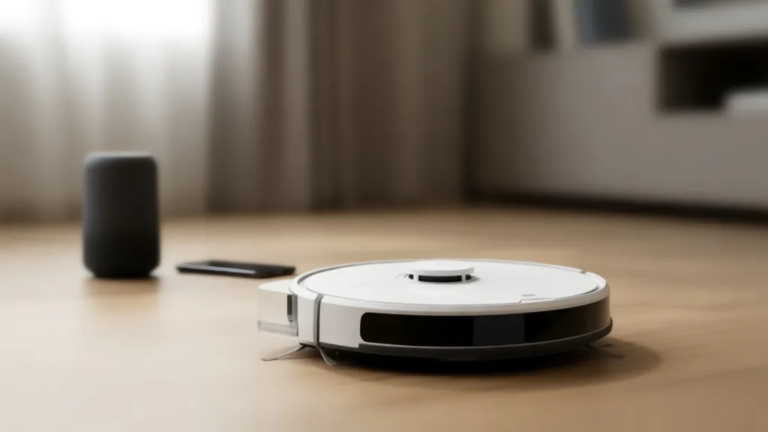
When I first started looking into robot vacuums, the idea of a machine zipping around my house cleaning itself seemed like pure sci-fi. Now that they’re a reality, I’m constantly impressed by how much they can do. One of the biggest questions I get asked, and one I had myself, is about their ability to tackle those tricky low-clearance spots. Specifically, do ultra thin robot vacuums get stuck under low furniture? It’s a valid concern, especially if you have modern, sleek furniture with minimal legroom.
Honestly, the answer isn’t a simple yes or no. It depends heavily on the specific robot vacuum’s height and the exact clearance you have. I’ve spent a lot of time researching the specifications and real-world feedback for these devices, and I want to share what I’ve learned so you can make an informed decision without your new cleaning buddy getting permanently wedged under your sofa.
Table of Contents
ultra thin robot vacuums: What You Need to Know
The most critical factor here is the robot vacuum’s physical height. Manufacturers usually list this clearly in the product specifications. For ultra-thin models, you’re typically looking at heights under 3 inches, sometimes even closer to 2 inches. This is significantly lower than many standard robot vacuums, which can be 3.5 to 4 inches tall. The goal of these slim designs is precisely to reach those hard-to-access areas, like under beds, couches, and entertainment centers. However, even a few millimeters can make a difference when dealing with furniture that has very little gap.
Measuring Your Furniture's Gap: The Crucial Step
Before you even start shopping, grab a ruler or a flexible measuring tape. You need to accurately measure the vertical space between the floor and the lowest point of your furniture. Don’t just eyeball it; I’ve learned that’s a recipe for disappointment. Remember that furniture legs can sometimes have decorative bases or slight curves that reduce the actual clearance. Also, consider that carpets or rugs placed under furniture can effectively lower the entry point. If your measurement is, say, 2.5 inches, you’ll need a robot vacuum that is definitively shorter than that, ideally with a bit of buffer room. A 2.5-inch vacuum trying to squeeze into a 2.5-inch gap is asking for trouble.
Navigational Features That Help (and Hurt)
Beyond just height, a robot vacuum’s ability to navigate under furniture also depends on its sensors and mapping technology. Some advanced models use LiDAR or sophisticated cameras to create detailed maps of your home, allowing them to plan routes more intelligently. This can help them avoid getting stuck by recognizing obstacles and potential entrapments. On the flip side, a vacuum with simpler bump-and-turn navigation might repeatedly hit the underside of furniture, potentially getting lodged if it can’t back out. I’ve seen feedback where even a well-mapped robot can get confused by very dark or irregularly shaped furniture undersides, which can absorb sensor signals. So, while smart navigation is a plus, it’s not a foolproof guarantee against getting stuck.
The Trade-Offs of Ultra-Thin Designs
Here’s the thing: while ultra-thin robot vacuums are designed for low spaces, they often come with trade-offs. On paper, they promise convenience, but in reality, their smaller dustbins mean you’ll be emptying them more frequently. Battery life can also sometimes be a compromise to keep the profile low. Furthermore, while they might fit under furniture, their suction power or brush effectiveness might be slightly reduced compared to their taller counterparts, especially if they have to navigate complex obstacles. It’s a balancing act between fitting into tight spots and maintaining robust cleaning performance. For many, the ability to clean under the couch is paramount, but it’s worth considering if you’re willing to empty the bin more often.
When to Consider a Standard-Height Model
If your furniture has very limited clearance, or if you’re concerned about the potential downsides of ultra-thin models, a slightly taller, standard-height robot vacuum might actually be a better fit. These models often boast larger dustbins, longer battery life, and sometimes more powerful cleaning systems. While they won’t fit under that super-low coffee table, they might navigate your home more reliably and require less frequent maintenance. I would still check the height of any standard model against your furniture, but if your clearance is consistently less than 3 inches, you might be better off looking at the slimmest options available, or accepting that some areas will require manual cleaning. It’s about finding the right balance for your specific home and cleaning needs.
Frequently Asked Questions
How do I know if an ultra-thin robot vacuum will fit under my furniture?
The best way is to measure the exact vertical clearance between your floor and the lowest point of your furniture. Then, compare that measurement to the listed height of the ultra thin robot vacuum you’re considering. Always aim for a vacuum that is at least a quarter-inch shorter than your measured gap to allow for easier passage and to avoid getting stuck.
What if my furniture has thick carpet underneath?
Thick carpet can effectively reduce the clearance. When measuring, account for the pile height of the carpet. If the carpet is very plush, the robot vacuum will sink into it, making the actual entry point lower. You’ll need to subtract the carpet pile height from your furniture’s leg clearance to get the true space the robot has to work with. This is a common reason why a vacuum that should fit on a hard floor might get stuck on a rug.
Are there any robot vacuums specifically designed for very low furniture?
Yes, the category of ultra thin robot vacuums is precisely for this purpose. Brands often highlight their low profiles, with some models specifically marketed as being under 3 inches or even under 2.5 inches. When shopping, look for these precise height specifications in the product details. Some models might also have advanced cliff sensors or edge detection that helps them avoid getting stuck on unexpected low ledges or furniture bases.
What should I do if my robot vacuum gets stuck under furniture?
If your robot vacuum gets stuck, the first thing to do is retrieve it manually. Then, check the area for any obstructions or uneven surfaces that might have caused the issue. If it’s a recurring problem with a specific piece of furniture, you might need to adjust your furniture’s placement, use furniture risers, or consider a robot vacuum with a different height or more advanced navigation. Sometimes, simply ensuring the vacuum’s sensors are clean can help it navigate better.
Useful next reads for this topic include robot vacuum detect dog poop AI, dreametech l20 ultra vs roborock s8 ultra, and how do ai robot vacuums protect data privacy.
Conclusion
Navigating the world of ultra thin robot vacuums and low furniture can seem daunting, but it boils down to careful measurement and understanding the specifications. While these slim devices are engineered to tackle those hard-to-reach spots, it’s essential to verify your furniture’s clearance and compare it against the vacuum’s height. Remember that navigation technology plays a role, but it’s not a substitute for accurate measurements. For most homes with standard low furniture, an ultra-thin model is a fantastic solution for achieving a deeper clean. However, if your clearance is extremely limited, or if you prioritize larger dustbins and longer battery life, a slightly taller model might be a more practical choice. Ultimately, the best robot vacuum for you is the one that fits your home’s unique challenges and your cleaning expectations.