Banish the Funk: How to Deep Clean Your Smelly Vacuum Dustbin
This guide to deep clean smelly vacuum dustbin explains the practical details worth knowing before you make your next decision.
Okay, let’s talk about the not-so-glamorous side of keeping our homes clean: the vacuum cleaner itself. Specifically, that dustbin. If yours has started emitting a less-than-pleasant aroma, you’re not alone. Over time, dust, pet hair, and all sorts of microscopic debris can accumulate, creating a breeding ground for bacteria and mold, which is basically the science behind that lingering funk. Honestly, it’s a problem that can make your cleaning efforts counterproductive.
The good news is that tackling a smelly vacuum dustbin doesn’t require a professional. With a bit of elbow grease and the right approach, you can banish those odors and get your vacuum smelling fresh again. I’ve been researching the best ways to tackle this common household issue, and I’m ready to share what I’ve learned so you can get back to a truly clean-smelling home.
Table of Contents
deep clean smelly vacuum dustbin: What You Need to Know
Before you dive in, it’s important to know what kind of dustbin you’re dealing with. Is it a removable plastic dustbin, a fabric bag, or something else? Most modern vacuums, especially cordless stick vacuums and many uprights, feature a detachable plastic container. These are usually the easiest to clean. If you have an older model with a fabric bag, the process is different and often involves replacing the bag entirely rather than deep cleaning. For this guide, we’re focusing on those removable plastic bins, as they’re the most common culprit for persistent odors.
Gather Your Cleaning Arsenal
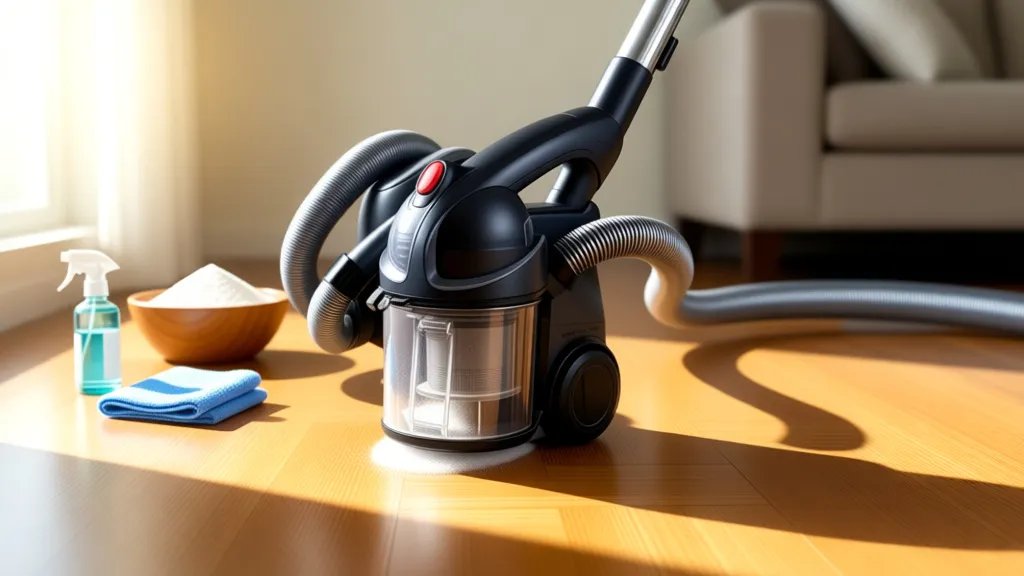
You won’t need much, but having the right supplies on hand makes the job smoother. I always start by gathering: a pair of rubber gloves (because, well, it’s a dustbin), a soft brush or old toothbrush, mild dish soap, a clean microfiber cloth, and potentially a solution of equal parts white vinegar and water. For really stubborn smells, baking soda can be a lifesaver. Make sure your vacuum is unplugged or the battery is removed – safety first, always.
The Step-by-Step Deep Clean Process
Okay, so here’s the actual cleaning part. First, detach the vacuum dustbin from the main unit. Empty all the loose debris into your trash can – give it a good tap to get everything out. Now, if your dustbin is washable (check your vacuum’s manual if you’re unsure, but most plastic ones are), rinse it thoroughly under cool or lukewarm water. Avoid hot water, as it can sometimes warp plastic. Next, use a small amount of mild dish soap and your soft brush to gently scrub away any stuck-on gunk or residue inside and out. Pay attention to any nooks and crannies where dust might be hiding. Rinse it out completely.
Tackling Stubborn Odors
If a simple wash didn’t cut it, it’s time for odor-fighting powerhouses. For a vinegar solution, fill the dustbin with equal parts white vinegar and water, let it sit for about 15-30 minutes, then empty and rinse thoroughly. Vinegar is fantastic at neutralizing smells. Alternatively, you can sprinkle a generous amount of baking soda inside the dry dustbin, let it sit for a few hours or overnight, then empty it out and wipe away any residue. This is especially effective for absorbing deeply embedded odors. Just remember to rinse really well after using vinegar, as you don’t want that smell lingering either!
Drying is Key!
This is a step that’s easy to overlook, but it’s absolutely critical. Moisture left inside the dustbin can quickly lead to new mold and mildew growth, bringing back that dreaded smell. After rinsing, shake out as much water as possible. Then, let the dustbin air dry completely. I usually leave mine upside down on a drying rack or a clean towel in a well-ventilated area for at least 24 hours. Ensure it’s bone dry before reattaching it to your vacuum. Patience here prevents future headaches.
Preventing Future Smells
The best defense is a good offense, right? To keep your vacuum smelling fresh, try to empty the dustbin after every use, or at least every few uses, especially if you vacuum pet hair or frequently clean high-traffic areas. Regularly wiping down the inside of the dustbin with a damp cloth can also help. Some people even add a few drops of essential oil (like lemon or eucalyptus) to a cotton ball and place it in the bin when not in use, though I’d be cautious not to overdo it and clog any filters. For vacuums with HEPA filters, cleaning or replacing those according to the manufacturer’s instructions is also vital for odor control.
Frequently Asked Questions
Can I use bleach to clean my vacuum dustbin?
Honestly, I would avoid using bleach if possible. While it’s a powerful disinfectant, bleach can be harsh on plastic and rubber components, potentially degrading them over time. It can also leave behind strong fumes that might be irritating. Mild dish soap, vinegar, and baking soda are generally safer and effective alternatives for cleaning a smelly vacuum dustbin.
How often should I deep clean my vacuum dustbin?
For most people, a quick empty after each use is sufficient. However, a thorough deep clean, like the one we’ve discussed, is probably needed every 1-3 months, depending on your usage and what you’re vacuuming. If you start noticing a persistent odor, that’s your cue to deep clean it sooner rather than later.
What if my vacuum dustbin isn't removable?
This is less common with newer models, but if yours isn’t removable, you’ll need to clean it in place. Unplug the vacuum, empty as much as possible, then use a damp cloth (not soaking wet!) with mild soap or a vinegar solution to wipe down the interior. A long-handled brush can help reach tricky spots. The biggest challenge here is ensuring it dries completely, which might require leaving the vacuum in a well-ventilated area for an extended period, possibly with a fan. Always consult your vacuum’s manual for specific instructions on non-removable bins.
When you revisit deep clean smelly vacuum dustbin, start with the practical outcome you want to achieve.
Useful next reads for this topic include Best Vacuum for Hardwood and Pets, how to clean the integrated cleaning tray on, and best replacement HEPA filters for dyson v10.
Conclusion
Dealing with a smelly vacuum dustbin is a common household annoyance, but thankfully, it’s a solvable one. By following these steps for a thorough deep clean, you can effectively eliminate those unpleasant odors and restore freshness to your home. Remember, regular emptying and occasional deep cleans are key to preventing the funk from returning. Your nose (and your home) will thank you for it!