How On-Device AI in Robot Vacuums Works: Smarter Cleaning for Your Home
This guide to on device ai processing robot vacuums explains the practical details worth knowing before you make your next decision.
When I first started looking into the latest robot vacuums, I noticed a lot of talk about ‘AI’ and ‘smart navigation.’ Honestly, it sounded like a lot of marketing jargon at first. But the more I dug into how these machines actually work, the more I realized that the processing happening *right on the robot itself* is a game-changer. This isn’t just about a fancy app; it’s about the vacuum’s brain making decisions in real-time, right where the action is.
So, what exactly is this ‘on-device AI processing’ and how does it make your robot vacuum smarter? It basically means the robot uses its own sensors and onboard computer to understand its surroundings and plan its cleaning path, rather than sending all that data to a distant server. This leads to quicker responses, better obstacle avoidance, and more efficient cleaning. Let’s break down how this magic happens.
Table of Contents
on device ai processing robot vacuums: What You Need to Know
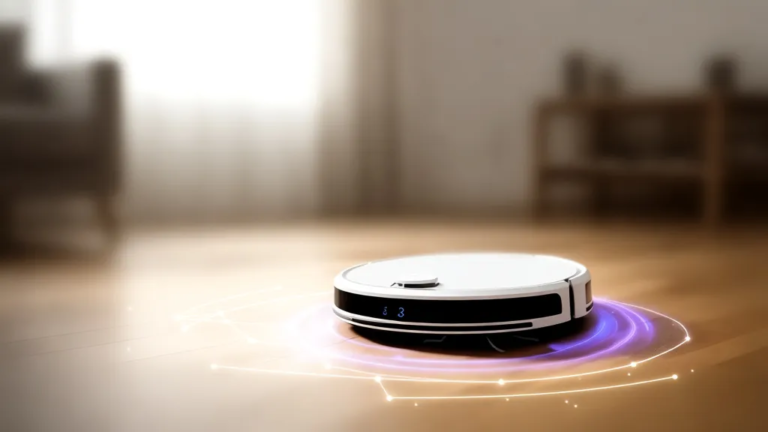
The first step for any robot vacuum with on-device AI is to ‘see’ its environment. This is where a suite of sensors comes into play. You’ll typically find things like LiDAR sensors, which use lasers to measure distances and create a precise map of your home, or vSLAM (Visual Simultaneous Localization and Mapping) cameras that use visual cues to build and update maps. These sensors are constantly feeding data to the robot’s onboard processor. Think of it like the robot’s eyes and ears. The processor takes this raw sensor data and uses algorithms to build a detailed map of your floor plan, identifying walls, furniture, and open spaces. This map is crucial for planning efficient cleaning routes and ensuring no spot is missed. The better the sensors and the more sophisticated the processing, the more accurate that initial map will be.
Smart Decisions: Onboard AI for Navigation and Obstacle Avoidance
This is where the ‘AI’ really shines. Instead of just bumping around randomly or following a pre-programmed grid, vacuums with on-device AI use sophisticated algorithms to interpret the sensor data and make intelligent decisions. For instance, when it encounters an unexpected object – say, a pair of shoes left in the hallway – the onboard processor analyzes the sensor input. It recognizes this isn’t a permanent fixture like a wall. The AI then calculates the best way to navigate around it without getting stuck or damaging the object. This is a huge leap from older models that might have just stopped or tried to push through. The processing power here allows for real-time adjustments, meaning the robot can adapt to a changing environment on the fly. This is particularly useful if you have pets or kids who tend to leave things lying around; the robot can handle these dynamic situations much more gracefully.
Learning Your Home: Personalized Cleaning Routines
Beyond just avoiding obstacles, on-device AI processing allows robot vacuums to learn and adapt to your specific home and habits. Over time, the robot can use its mapping and navigation data to optimize cleaning paths. For example, it might learn that a certain area, like the entryway, gets dirtier more often and adjust its cleaning frequency or pattern for that zone. Some advanced models can even identify different types of flooring and adjust suction power accordingly, all processed locally. This personalization means the vacuum becomes more efficient and effective the longer you use it. It’s not just a dumb machine; it’s a cleaning partner that gets to know your space. This learning capability is a direct result of the on-board processing unit continuously analyzing its performance and environmental data.
Why On-Device Processing Matters: Speed, Privacy, and Reliability
So, why is having the AI processing done directly on the robot, rather than in the cloud, such a big deal? Firstly, speed. Decisions are made instantly because the data doesn’t need to travel to a server and back. This means quicker reactions to obstacles and more fluid navigation. Secondly, privacy. Since sensitive data about your home’s layout and your cleaning habits stays on the device, it offers a greater sense of security. You don’t have to worry as much about what information is being sent off-site. Finally, reliability. If your Wi-Fi goes down, a robot vacuum with robust on-device AI can still navigate and clean effectively, whereas a cloud-dependent model might become useless. This local processing is a key differentiator for truly smart and independent cleaning. The edge computing aspect means the robot is self-sufficient.
Frequently Asked Questions
Does 'AI' in robot vacuums mean it can understand voice commands?
Not necessarily. While some robot vacuums integrate voice assistants, the ‘AI’ in on-device AI processing primarily refers to its ability to navigate, map, and make cleaning decisions autonomously. Voice command capability is usually a separate feature, often relying on cloud processing for natural language understanding, though some newer models are starting to integrate more local voice processing.
How does on-device AI help avoid pet messes?
This is a big one! Advanced on-device AI, particularly using cameras and sophisticated object recognition algorithms, allows the robot to identify and actively avoid ‘pet accidents’ or other unexpected messes on the floor. The onboard processor analyzes visual data in real-time to distinguish these from regular debris, preventing the vacuum from spreading the mess further. It’s a significant upgrade for pet owners.
Will my robot vacuum still need Wi-Fi if it has on-device AI?
For basic cleaning and navigation, many robots with strong on-device AI can function perfectly well without an internet connection. However, you’ll typically need Wi-Fi for initial setup, downloading firmware updates, accessing advanced features like remote control via an app, setting no-go zones, or viewing cleaning history. So, while core intelligence is local, Wi-Fi still unlocks the full potential for many users.
When you revisit on device ai processing robot vacuums, start with the practical outcome you want to achieve.
Useful next reads for this topic include are stair climbing robot vacuums worth the money, robot vacuum detect dog poop AI, and ultra thin robot vacuums.
Conclusion
Honestly, the shift towards on-device AI processing in robot vacuums is one of the most exciting developments in home cleaning tech. It means these little robots are becoming more autonomous, more efficient, and more respectful of our privacy. By handling the complex tasks of mapping, navigation, and decision-making right on the unit, they can react faster, learn your home better, and operate reliably even without a constant internet connection. If you’re in the market for a new robot vacuum, paying attention to how much processing power and intelligence is truly on-board, rather than just in the cloud, will likely lead you to a much smarter and more capable cleaning companion for your home in 2026.