What is Bionic Quadtrack Technology in Vacuums?
When I first saw ‘bionic quadtrack technology‘ pop up in vacuum cleaner specs, I admit I was a bit mystified. It sounds like something out of a sci-fi movie, right? But as I dug into what it actually means for your cleaning routine, I realized it’s a pretty clever innovation designed to tackle dirt and debris in a whole new way. Basically, it’s about making vacuums smarter and more effective, especially on tricky surfaces.
My goal was to cut through the jargon and figure out if this ‘bionic quadtrack’ is just marketing hype or a genuine leap forward in home cleaning. What I found is that it’s a specific approach to how a vacuum’s brush roll and suction work together, aiming to give you a deeper clean with less effort. Let’s break down what this technology entails and why it might matter for your next vacuum purchase.
Table of Contents
Understanding the 'Quadtrack' Concept
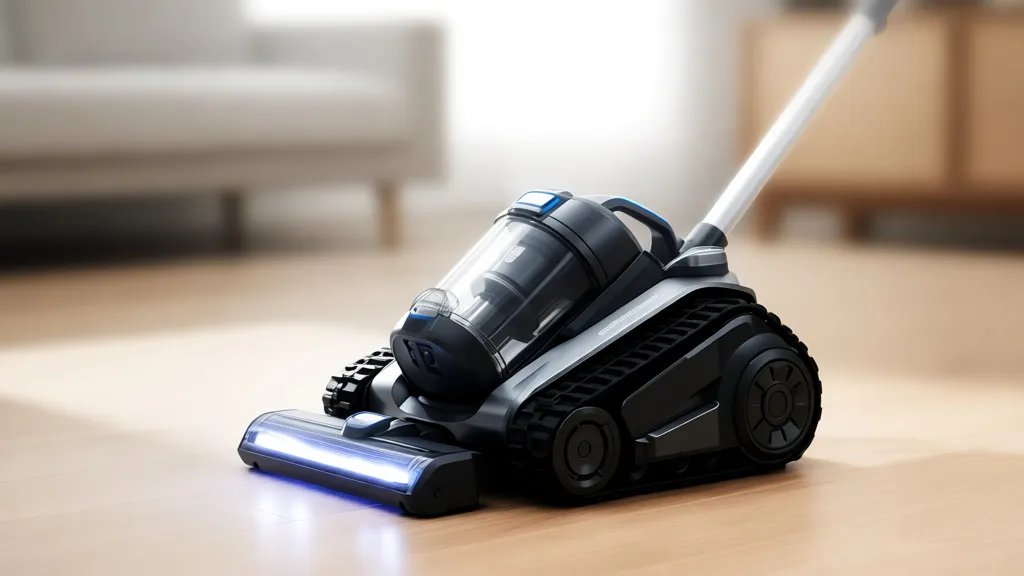
At its core, ‘quadtrack’ refers to a system designed to provide four distinct points of contact or action, mimicking how a tracked vehicle moves for superior grip and coverage. In vacuums, this translates to a brush roll engineered with a specific pattern and configuration. Instead of a uniform bristled cylinder, imagine a brush roll with strategically placed, varied bristle types and angles, often arranged in a way that creates a ‘track’ effect as it spins. This isn’t just about more bristles; it’s about how those bristles are designed to agitate different types of debris and how they interact with the floor surface. The idea is to lift more dirt, dust, and even pet hair from carpets and hard floors alike, ensuring a more thorough pick-up with each pass. For most buyers, this means less going over the same spot multiple times.
The 'Bionic' Element: Smarter Cleaning
The ‘bionic’ part of the name suggests an intelligent, almost biological approach to cleaning. While it doesn’t mean the vacuum has a brain, it implies a design that’s responsive and optimized for different cleaning challenges. This often involves a combination of the brush roll’s physical design and how the vacuum’s suction is channeled. For instance, some bionic quadtrack systems might feature self-adjusting brush heights or varied bristle stiffness within the same roll to adapt to different floor types. The goal is to maximize contact and agitation on carpets to loosen embedded dirt, while still being gentle enough on hard floors to avoid scattering debris. Honestly, the engineering behind this aims to make the vacuum work *with* the mess, not just against it.
How Bionic Quadtrack Improves Your Clean
So, what does this mean for your actual cleaning? My research suggests that vacuums featuring bionic quadtrack technology often excel in a few key areas. Firstly, they tend to be better at picking up fine dust and larger debris simultaneously, which is something that can be a real challenge for standard brush rolls. Secondly, the enhanced agitation means they can be particularly effective on medium to high-pile carpets, digging deep to pull out allergens and dirt that might otherwise be left behind. On hard floors, the design aims to sweep debris towards the suction port efficiently, reducing that annoying scattering effect. This technology is really about optimizing the interaction between the brush, the floor, and the suction for a more comprehensive clean, especially if you have a mix of flooring or deal with stubborn pet hair. It’s a practical application of advanced design principles.
What to Look For and Potential Trade-offs
When you’re looking at vacuums with this kind of technology, pay attention to how the manufacturer describes the brush roll’s configuration. Look for details about varied bristle types, patterns, and any mention of adaptive cleaning. On paper, it sounds fantastic, but here’s the thing: specialized brush rolls can sometimes be more difficult to clean themselves, especially if long hair gets tangled. Also, while the technology aims for versatility, some users might find that a vacuum optimized for deep carpet cleaning might feel a bit aggressive on very delicate hard floors, so it’s always worth checking user reviews for specific floor type experiences. For most buyers, the improved cleaning power on carpets is a significant draw, but it’s wise to consider how easily the brush roll can be maintained.
Frequently Asked Questions
Is bionic quadtrack technology only for carpet?
Not necessarily. While the enhanced agitation of bionic quadtrack technology is particularly beneficial for carpets, the design is often engineered to also perform well on hard floors. The goal is to create a brush roll that can effectively sweep debris towards the suction port on hard surfaces while still providing the necessary agitation for carpets. We found that the effectiveness on hard floors can vary by specific model, so it’s good to check reviews if that’s your primary concern.
How is bionic quadtrack different from a standard vacuum brush roll?
A standard vacuum brush roll typically has uniform bristles across its surface. Bionic quadtrack technology, on the other hand, uses a more complex design. This often involves varied bristle lengths, stiffness, and patterns arranged in a specific way, sometimes resembling tracks, to provide more targeted agitation and better debris collection. It’s about a more sophisticated interaction with the floor surface, aiming for a deeper and more efficient clean than a basic brush.
Will this technology help with pet hair?
Yes, vacuums with bionic quadtrack technology are often designed with pet hair in mind. The enhanced agitation helps to lift embedded pet hair from carpet fibers, and the optimized suction and brush pattern can be more effective at capturing loose hair on both carpets and hard floors. It’s one of the key benefits that manufacturers highlight for this type of advanced brush roll system.
Conclusion
In my research, bionic quadtrack technology stands out as a thoughtful evolution in vacuum cleaner design. It moves beyond simple suction and spinning brushes to offer a more intelligent approach to cleaning different surfaces and debris types. While it’s not a magic bullet, the focus on optimized brush roll engineering for better agitation and debris capture is a tangible benefit for many households, especially those dealing with carpets and pet hair. If you’re looking for a vacuum that offers a deeper, more efficient clean with less effort, models featuring this technology are definitely worth considering in 2026. Just remember to check for ease of maintenance and specific performance on your home’s floor types.