Robot Vacuums You Can Actually Fix: Brands That Sell Modular Parts
This guide to robot vacuum modular parts explains the practical details worth knowing before you make your next decision.
When my old robot vacuum died from a broken side brush motor, I faced the usual awful choice: pay almost half the price for a ‘professional’ repair, or just toss it and buy new. That got me wondering—are there any brands out there that actually design their vacuums to be fixed? I started digging, and honestly, I was surprised by what I found. It’s not a universal standard, but a handful of companies are making a real effort with modular, user-replaceable parts.
If you’re tired of disposable gadgets and want a cleaner that can grow old gracefully with a simple part swap, you’re in the right place. We’ll walk through the brands that prioritize this, what ‘modular’ really means for them, and the practical trade-offs you should know about. Because in 2026, a robot vacuum modular parts strategy isn’t just a nice-to-have—it can save you a lot of money and hassle over the long run.
Table of Contents
robot vacuum modular parts: What You Need to Know
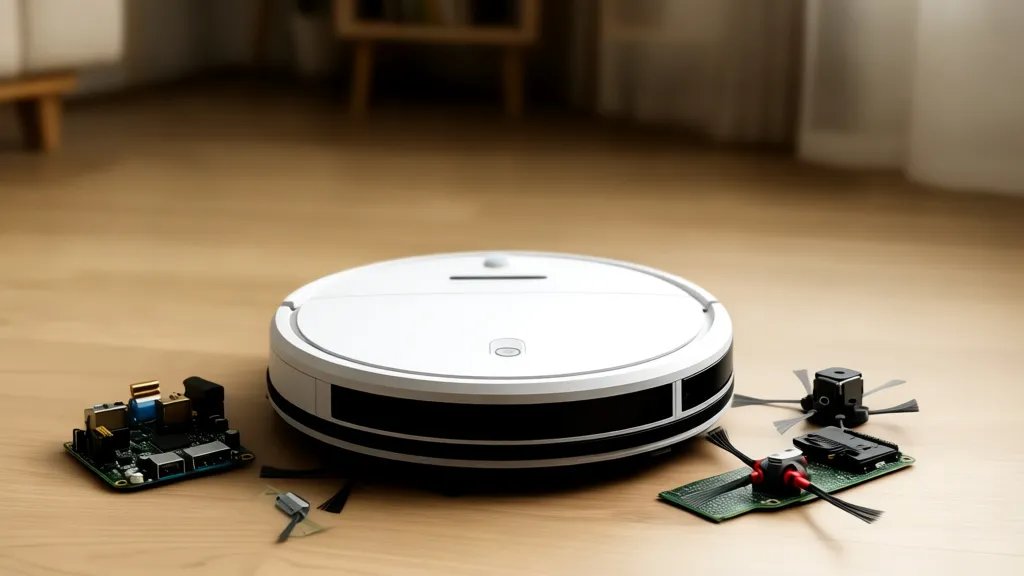
Okay, so when I first heard ‘modular,’ I pictured a vacuum built like Lego, where you could snap anything out. The reality is more specific, and honestly, that’s fine. For these brands, modularity usually focuses on the high-wear items that fail first. We’re talking about the brushes, the wheels, the side brush, and the filter. These are parts that get gummed up with hair, wear down from friction, or just clog over time.
What surprised me was how accessible these parts are. For the leading brands in this space, you don’t need special tools or to ship the whole unit back. They design these components with simple clips or a single screw. I kept coming back to one practical detail: if you can change a vacuum bag in an upright, you can almost certainly handle swapping the main brush on one of these. The trade-off? True modularity rarely extends to the core electronics or the battery on a user level—those usually still require a technician, which is a limitation worth noting.
The iRobot Ecosystem: Parts Availability as a Standard
If any company has turned replaceable parts into a business model, it’s iRobot. When I looked into their Roomba line, what stood out wasn’t just the design—it was the sheer availability. You can buy an official Roomba replacement brush roll, filter, or wheel module directly from their site, from major retailers, and even from third-party sellers. They’ve been doing this for years, so the ecosystem is mature.
Here’s the thing: this approach makes their older models, some from several generations back, still viable today. I found parts for a Roomba 600 series as easily as for the latest j-series. That longevity is a huge plus. The consequence, though, is that you’re buying into a proprietary system. A Roomba side brush won’t fit a Roborock, for example. But if easy, guaranteed repair is your top priority, iRobot’s widespread parts distribution network is a massive advantage that’s hard to ignore.
Roborock and the Shift Toward Serviceable Design
I almost skipped Roborock in this search, assuming their focus was purely on high-tech navigation and mopping. That would have been a mistake. In their more recent models, I noticed a clear shift. They now structure their user manuals with explicit disassembly guides for key components. The main brush assembly on a Roborock S8, for instance, is designed to be removed without touching any internal wiring.
What kept bothering me was the parts sourcing, though. While you can order them, the process isn’t as ubiquitous as iRobot’s. You often need to go through Roborock’s official channels or specific authorized partners. My verdict? Their modular design is genuinely good on paper, especially for the brushes and mop pads, but you have to be a bit more proactive about where you’ll get the parts. It’s a step in the right direction, showing that even premium tech brands are recognizing that user-serviceable components are a feature buyers value.
The Trade-Off: Modularity vs. Price and Sealing
As my shortlist took shape, a clear pattern emerged. The brands most committed to a robot vacuum modular parts philosophy often sit at a mid-to-higher price point. You’re partly paying for that engineering foresight—the extra design work to make parts swappable. For most buyers, I think that extra cost is worth it over a 5-year span.
But there’s another, less obvious trade-off: dust and water sealing. A vacuum that’s easier to open can sometimes be slightly less sealed against fine dust. It’s a balancing act. Brands like iRobot seem to manage it well, but it’s a detail I’d check in user reviews for any specific model. If you have severe allergies or a very dusty home, that slight potential compromise might influence your choice between a fully sealed unit and one that’s easier to repair.
How to Check for Repairability Before You Buy
So, how do you actually verify a model’s modularity before clicking ‘buy now’? Here’s my practical method from this research journey. First, ignore the marketing fluff and go straight to the source. Download the official PDF user manual from the brand’s support site. Scroll to the maintenance or troubleshooting section. If you see illustrated steps for removing the brush, wheels, or bin by yourself, that’s a great sign.
Second, do a quick search for ‘[Model Name] replacement part’ on a major retailer’s site. If official brushes, filters, and wheels pop up for sale as standalone items, you’ve got a winner. That availability is the real-world proof of their modular commitment. Finally, I’d peek at ifixit.com or similar teardown sites. They don’t cover every model, but when they do, their repairability score is based on exactly the kind of modular design we’re talking about.
Frequently Asked Questions
Are modular parts more expensive than just buying a new vacuum?
Almost never, in the long run. A new brush module or filter set typically costs between $20 to $50. Compared to a new robot vacuum that can run $300 to $1000, or even a professional repair bill of $150+, replacing a modular part yourself is the most cost-effective choice by far. It extends the life of your investment significantly.
Do third-party or generic modular parts work well?
They can, but it’s a bit of a gamble. I’d steer most people toward official parts for critical components like the main brush, where fit and balance affect performance and noise. For simpler items like side brushes or HEPA filters, reputable third-party options are often fine and cheaper. Just check reviews to ensure they don’t shed bristles or fit poorly.
If a brand offers modular parts, does that mean the battery is also easy to replace?
Usually not on a user level, which is kind of wild but true. Most brands, even those strong on modularity, consider the lithium-ion battery a sealed component due to safety and warranty concerns. Replacing it often requires opening the main chassis and disconnecting internal connectors—a step beyond the simple clip-out parts. Some communities have guides, but it generally voids your warranty.
Useful next reads for this topic include GaN fast charging technology, eufy x9 pro vs Roborock Q revo, and under cabinet robot vacuum docks.
Conclusion
My research journey started with a broken vacuum and a feeling of frustration, but it ended with a pretty clear takeaway. The move toward robot vacuum modular parts isn’t just a niche trend—it’s a smart response from brands that want customer loyalty and less waste. For my money, I’d prioritize a model from a brand with a proven parts ecosystem, like iRobot, or a newer tech leader like Roborock that’s clearly designing with service in mind.
It comes down to valuing longevity over the absolute lowest upfront price. By choosing a vacuum built with repairability as a feature, you’re not just buying a cleaner; you’re opting out of the throwaway cycle. And in 2026, that feels like the right choice for our wallets and our homes.