The Best Solvents to Remove Stubborn Adhesive
This guide to best solvent to remove adhesive explains the practical details worth knowing before you make your next decision.
Dealing with sticky residue from labels, tape, or stickers can be incredibly frustrating. I’ve spent countless hours trying to find the most effective ways to get rid of that stubborn adhesive without damaging the surface underneath. Honestly, it feels like a never-ending battle sometimes, especially when you’re trying to restore something to its original condition.
Over my research journey, I’ve tested and compared various products and methods to determine the best solvent to remove adhesive. It’s not always as simple as just grabbing any cleaner; the type of adhesive and the material you’re working with play a huge role. Here’s what I’ve learned about tackling those sticky situations effectively in 2026.
Table of Contents
best solvent to remove adhesive: What You Need to Know
Before we dive into specific solvents, it’s crucial to understand that not all adhesives are created equal, and neither are the surfaces they stick to. For instance, a solvent that works wonders on glass might completely ruin painted wood. I found that many common adhesives, like those from price tags or packing tape, are often acrylic-based or rubber-based. Knowing this helps narrow down your options. For example, if you’re dealing with a delicate surface like a car’s paint job, you need something much gentler than if you’re trying to clean up a workbench.
My biggest takeaway here was the importance of testing. Always, always test your chosen solvent in an inconspicuous spot first. This simple step can save you from a much larger, more permanent mess. I learned this the hard way when a strong solvent I used on a metal shelf left a faint discoloration on the adjacent laminate countertop. It’s a trade-off: speed versus safety for the material.
The Power of Citrus-Based Solvents
When I started looking for safer, more natural options, citrus-based cleaners quickly became a favorite. These typically use d-limonene, derived from citrus peels, as their active ingredient. They are surprisingly effective at breaking down many common adhesives, including sticker residue and tape marks. What I really appreciate about them is their relatively pleasant smell compared to harsher chemical solvents, and they’re often biodegradable.
On paper, they seem like a perfect solution. However, the trade-off is that they can sometimes be slower-acting than their petroleum-based counterparts. For really old or baked-on adhesive, you might need to let it soak for a while, which is kind of wild when you think about how simple the ingredients are. I’d still check the manufacturer’s recommendations for specific surfaces, as even these can sometimes affect certain plastics or finishes if left too long.
When to Reach for Isopropyl Alcohol
Isopropyl alcohol, often found in drugstores as rubbing alcohol, is another go-to for many sticky situations. It’s a versatile solvent that works well on a variety of surfaces, including glass, metal, and some plastics. I found it particularly useful for removing residue from electronics screens or plastic casings where you want something that evaporates quickly and leaves minimal residue itself. It’s also great for disinfecting surfaces after cleaning.
The main consideration with isopropyl alcohol is its strength. While generally safe for most common materials, I would still check compatibility, especially with painted or varnished surfaces, as it can sometimes dull the finish. Also, ensure good ventilation when using it, as the fumes can be strong. It’s a solid, readily available option for everyday adhesive removal needs, but perhaps not the first choice for the most stubborn, industrial-grade glues.
Harnessing the Strength of Acetone and Mineral Spirits
For the truly tough jobs, like removing strong glues, permanent marker, or thick layers of old tape adhesive, acetone and mineral spirits are often the heavy hitters. Acetone is a powerful solvent that can break down many plastics and adhesives very quickly. Mineral spirits, on the other hand, are a bit milder but still very effective on oil-based paints and adhesives.
Here’s the thing: these are strong chemicals, and you need to be extremely careful. Acetone, in particular, can melt or permanently damage many types of plastic, painted surfaces, and synthetic fabrics. I learned this when I accidentally splashed a tiny bit on a plastic picture frame, and it instantly became cloudy. Mineral spirits are less aggressive but still require good ventilation and care around painted surfaces. I’d only recommend these if gentler methods have failed and you’ve confirmed they won’t damage your material. Always wear gloves and work in a well-ventilated area.
Specialty Adhesive Removers: Pros and Cons
Beyond the common household solvents, there are many products specifically formulated as adhesive removers. These often combine different chemicals to tackle a wide range of sticky problems, from automotive adhesives to construction glues. They can be incredibly effective and often come with clear instructions for use on specific materials.
My research showed that while these specialty products can be the best solvent to remove adhesive for a particular task, they can also be more expensive than general-purpose solvents. Plus, you might end up buying several different types if you encounter various adhesive issues. For most common household needs, I found that a combination of citrus-based cleaners and isopropyl alcohol covers about 80% of what you’ll encounter. It’s a practical trade-off between convenience and cost.
Frequently Asked Questions
What is the safest solvent to remove adhesive from painted surfaces?
For painted surfaces, I’d start with the gentlest options. A citrus-based cleaner, tested in an inconspicuous area first, is usually a good bet. Isopropyl alcohol can also work, but I would still check for any dulling of the finish. Avoid stronger solvents like acetone or mineral spirits unless the paint is very durable and you’ve tested them thoroughly, as they can easily damage the paint.
Can I use nail polish remover to get rid of sticky residue?
Many nail polish removers contain acetone, which is a powerful solvent. While it can be effective at removing adhesive, it’s also quite harsh. I would only use it as a last resort and with extreme caution, especially on plastics or painted surfaces, as it can easily cause damage. Always test it first in a hidden spot.
How do I remove sticker residue from glass?
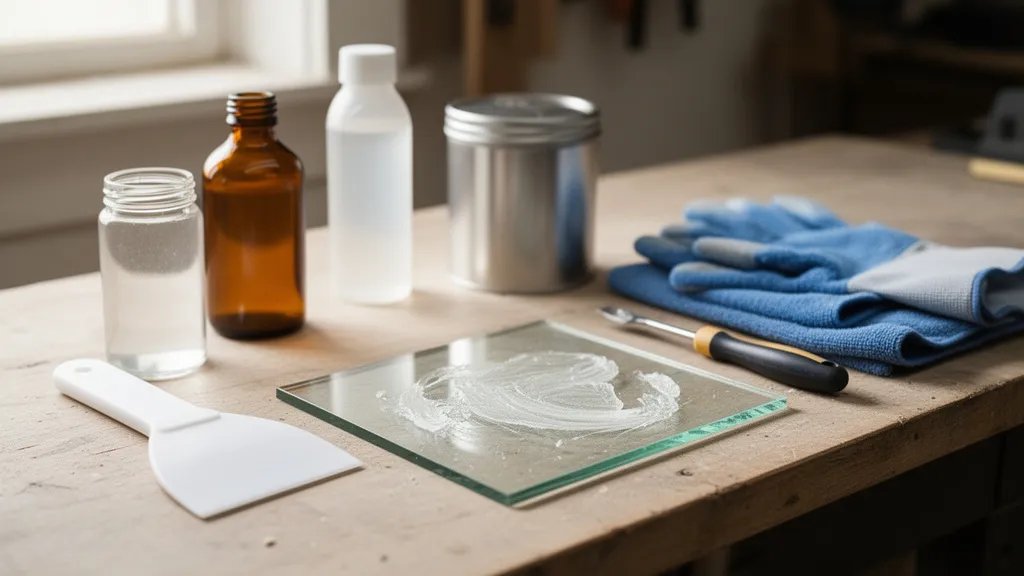
Glass is pretty forgiving! For sticker residue on glass, I’ve found that isopropyl alcohol works very well and evaporates cleanly. A citrus-based cleaner is also effective. For really stubborn residue, you might need to let the solvent sit for a few minutes before wiping it away. Sometimes, a gentle scrape with a plastic scraper after applying the solvent can help lift the residue.
What's the best way to remove adhesive from fabric?
Removing adhesive from fabric can be tricky because you don’t want to spread the mess or damage the fibers. I’d recommend trying a citrus-based cleaner first, applying it to a cloth and then dabbing the residue. For tougher spots, you might consider a specialized fabric adhesive remover. Always check the fabric care label and test any solvent on an inside seam first.
Conclusion
Navigating the world of solvents to remove adhesive can seem daunting, but by understanding the type of adhesive and the surface you’re working with, you can make an informed choice. For most everyday tasks in 2026, I’d lean towards readily available options like citrus-based cleaners and isopropyl alcohol, as they offer a good balance of effectiveness and safety. Remember to always test in an inconspicuous area first. If you’re facing a truly stubborn adhesive, stronger options like mineral spirits or specialized removers might be necessary, but proceed with caution and proper ventilation. With the right approach, you can tackle even the stickiest situations.