Can Robot Vacuums Detect Dog Poop Using AI?
This guide to robot vacuum detect dog poop AI explains the practical details worth knowing before you make your next decision.
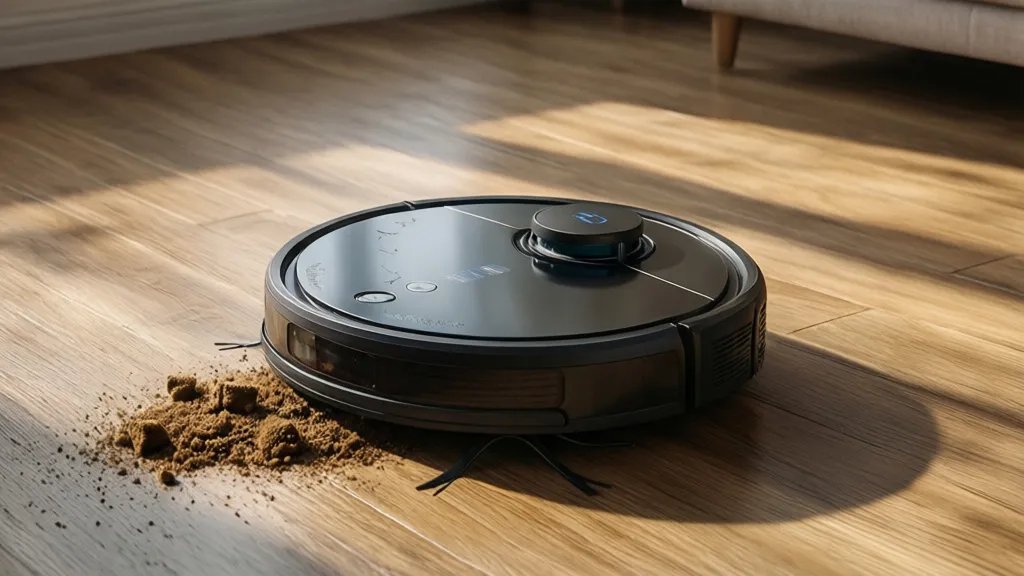
Okay, so let’s talk about the dreaded dog poop situation. If you’re a dog owner, you know the sheer panic that sets in when you realize your furry friend might have had an accident indoors. The thought of a robot vacuum spreading that mess across your floors is, frankly, horrifying. This is exactly why I started digging into whether modern robot vacuums, with their fancy AI capabilities, can actually detect and avoid pet waste. It’s a pretty specific problem, but one that could save a lot of clean-up headaches.
My research journey into this topic was driven by a mix of curiosity and a genuine desire to find a solution for pet parents. We’ve seen robot vacuums get smarter over the years, with better navigation and obstacle avoidance. But can they really distinguish a pile of dog mess from a stray sock or a forgotten toy? I wanted to find out if the promise of AI in these devices extends to handling one of the most unpleasant household accidents. Here’s what I discovered about the current state of robot vacuum technology and its ability to detect dog poop using AI.
Table of Contents
robot vacuum detect dog poop AI: What You Need to Know
On paper, many newer robot vacuums boast advanced obstacle avoidance systems, often powered by AI. These systems typically use a combination of sensors – like infrared, lidar, and cameras – to map your home and identify objects in their path. The AI component is supposed to learn and recognize different types of obstacles, differentiating between things like furniture legs, cables, and, theoretically, pet waste. Brands often highlight their ability to avoid smaller items like shoes or charging cables, which is a good start. The idea is that the vacuum’s ‘brain’ processes visual or sensor data to make a decision: ‘This is something I should avoid.’
However, the effectiveness of this AI in real-world scenarios, especially with something as uniquely shaped and textured as dog poop, is where things get a bit murky. While a vacuum might be programmed to recognize a general ‘blob’ shape, distinguishing it from other dark, irregular objects can be a challenge. For most buyers, the core question remains: is this feature reliable enough to prevent a disaster?
Why Dog Poop is a Unique Challenge for Robots
Here’s the thing: dog poop isn’t just another object. It’s soft, often dark, and can be irregular in shape and size. Unlike a solid shoe or a tangled cord, its physical properties make it incredibly difficult for even advanced sensors to reliably identify. A camera might see a dark patch, but is it poop, a shadow, or a stain on the carpet? Lidar sensors, which measure distance, might detect an object but struggle with its texture or composition. Many of the robot vacuums that claim advanced obstacle detection are really good at spotting solid, defined objects. Soft, yielding, and potentially messy waste is a whole different ballgame.
This is a significant trade-off for pet owners. While a vacuum might successfully avoid a toy, it could still blunder into a fresh accident. The technology is still evolving, and while some manufacturers are making strides, a truly foolproof system for detecting and avoiding pet waste isn’t quite mainstream yet. It’s a tough problem to solve with current sensor technology alone.
Which Robot Vacuums Have Pet Waste Detection?
As of my research in 2026, a few brands have explicitly marketed robot vacuums with features designed to tackle this very problem. These models often use advanced camera systems combined with AI algorithms trained on vast datasets, including images of pet waste. They aim to visually identify and steer clear of ‘avoidable objects,’ with dog poop being a primary concern. Some models even use specific AI object recognition to differentiate between various common household items and, yes, pet waste.
On paper, these seem like the holy grail for dog owners. However, it’s crucial to understand that ‘detection’ doesn’t always mean ‘perfect avoidance.’ While these vacuums are significantly better than their predecessors, reviews and user feedback suggest that no system is 100% infallible. There’s always a small risk, and that’s a big consideration when you’re thinking about the potential mess. I would still check independent reviews for specific models to see how they perform in real-world, messy situations.
What to Look For (and What to Be Wary Of)
If you’re a dog owner considering a robot vacuum, here’s what I’d focus on. First, look for models that specifically advertise pet waste avoidance or advanced object recognition that includes pet waste. Don’t just settle for general ‘obstacle avoidance.’ Check for features like AI-powered cameras and sophisticated navigation systems. Read reviews from other dog owners – their experiences are invaluable. Pay attention to any mention of ‘avoidable objects’ or specific training data used by the AI.
However, be wary of overblown marketing claims. No robot vacuum, no matter how advanced, can guarantee 100% avoidance of every single accident, especially if it’s a new or unusual situation for the AI. It’s wise to manage expectations. For most buyers, especially those with multiple dogs or puppies still in training, a proactive approach like running the vacuum only when supervised or when pets are confined might still be the safest bet. The technology is improving, but it’s not quite at the point where you can completely forget about potential messes.
Frequently Asked Questions
Can any robot vacuum *guarantee* it won't spread dog poop?
Honestly, no robot vacuum on the market today can offer a 100% guarantee against spreading dog poop. While advanced AI and camera systems are getting much better at detecting and avoiding obstacles, including pet waste, there’s always a small margin of error. Factors like lighting, the consistency of the mess, and the specific training of the AI can influence its detection capabilities. For most pet owners, it’s about significantly reducing the risk, not eliminating it entirely.
Which robot vacuum brands are best for pet owners concerned about poop detection?
Based on my research, brands like iRobot (Roomba), Roborock, and Shark have been investing heavily in AI-powered object recognition that aims to detect and avoid pet waste. Models with advanced camera systems and specific ‘avoidable object’ features are generally the ones to consider. However, I’d always recommend checking the latest model releases and independent reviews from other dog owners, as the technology and its effectiveness can vary significantly between specific products and even software updates.
If a robot vacuum *can* detect poop, how does it do it?
Basically, these advanced robot vacuums use a combination of onboard cameras and AI algorithms. The camera captures images of the floor, and the AI processes this visual data, comparing it against a vast library of objects it’s been trained to recognize. When it identifies something that matches the pattern of pet waste, it’s programmed to navigate around it. It’s a sophisticated form of visual recognition, similar to how some self-driving car systems identify pedestrians or other vehicles.
When you revisit robot vacuum detect dog poop AI, start with the practical outcome you want to achieve.
Useful next reads for this topic include how to clean the integrated cleaning tray on, Best Vacuum for Hardwood and Pets, and dreametech l20 ultra vs roborock s8 ultra.
Conclusion
So, can a robot vacuum detect dog poop using AI? The answer is yes, increasingly so, but with important caveats. The technology has advanced significantly, with many newer models featuring AI-driven object recognition that can identify and avoid pet waste. This is a huge step forward for dog owners who’ve feared the dreaded ‘poopocalypse.’ However, it’s not a perfect system. Reliability can vary, and the risk, while reduced, isn’t entirely eliminated. When choosing a robot vacuum, look for specific pet waste avoidance features and always check real-world reviews from fellow pet parents. For now, while these smart vacuums offer peace of mind, a little bit of human supervision might still be wise when your furry friend is having an accident-prone phase.