What Are Turbid Sensors in Robot Vacuum Mops?
This guide to turbid sensors in robot vacuum mops explains the practical details worth knowing before you make your next decision.
When I first started looking into the latest robot vacuum mops, I kept seeing a feature mentioned: ‘turbid sensors’. Honestly, it sounded a bit technical, and I wasn’t sure if it was just marketing jargon or something that actually made a difference in how well the thing cleaned my floors. My initial thought was, ‘Does my floor even get *turbid*?’ But as I dug deeper, I realized these sensors are actually pretty clever and can significantly impact the effectiveness of your mopping robot.
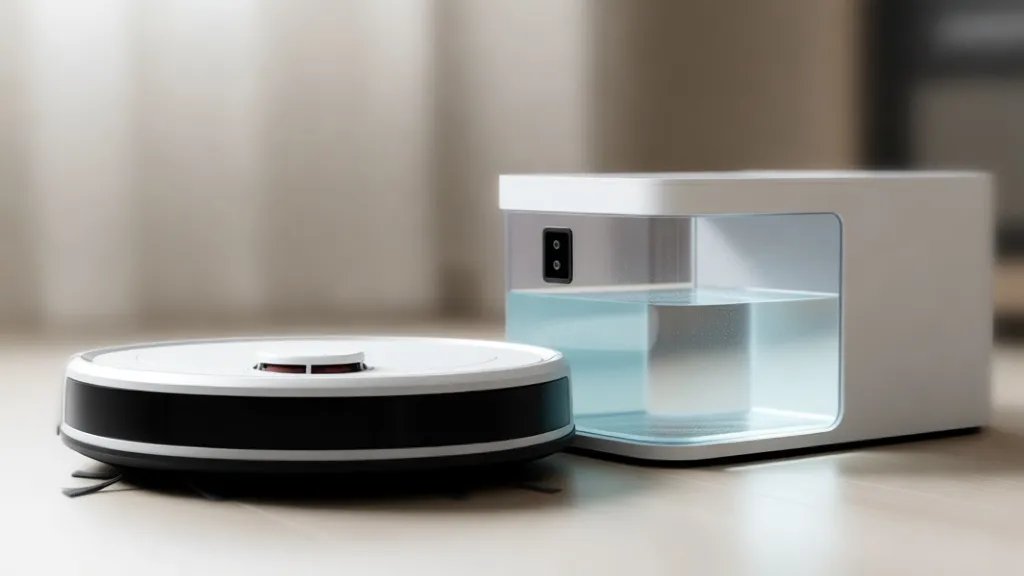
Basically, a turbid sensor is designed to detect the level of dirt or particulate matter in the water it’s using for mopping. Think of it like a little quality control system for your robot’s cleaning solution. Instead of just sloshing the same dirty water around, a robot with turbid sensors can intelligently adjust its cleaning strategy based on the real-time condition of your floors. This is a huge step up from older models that just followed a set pattern, regardless of how dirty the mess was.
Table of Contents
turbid sensors in robot vacuum mops: What You Need to Know
So, how does this magic happen? A turbid sensor works by measuring the cloudiness or haziness of the water. When the robot dispenses clean water onto your floor, the sensor can tell it’s clear. As it mops, if it picks up dirt, grime, or other debris, that particulate matter gets suspended in the water. The turbid sensor detects this increase in ‘turbidity’ – essentially, how dirty the water has become. This information is then fed back to the robot’s onboard computer, which can make decisions based on it. It’s a neat piece of tech that allows the robot to be more responsive to the actual cleaning task at hand, rather than just following a pre-programmed routine.
Why This Matters for Your Clean Floors
Here’s the thing: not all messes are created equal. Some days, it’s just a bit of dust. Other days, you might have spilled coffee or tracked in mud. A robot vacuum mop with a turbid sensor can recognize when it’s dealing with a tougher cleaning job. Instead of just continuing with a light pass, it might decide to make a second pass over a particularly dirty area, or it might increase the water flow slightly to tackle that stubborn spot. This means you’re less likely to end up with streaks or residue from dirt that wasn’t properly lifted. For us, that translates to genuinely cleaner floors with less effort on our part.
Intelligent Water Usage and Cleaning Cycles
One of the most practical benefits I found when researching models with this feature is how it impacts water usage. A robot that can detect how dirty the water is can also be smarter about when it needs to refill or switch to a cleaner water tank. If the sensor indicates the water is still relatively clean, the robot might continue its cycle. However, if it detects significant dirt, it might signal that it’s time to head back to the base station to rinse its mop pads and refill the water tank. This intelligent water management ensures you’re always mopping with the cleanest possible solution, which is kind of wild when you think about it – a robot that knows when its ‘bathwater’ is too dirty!
What to Look For: Sensor vs. No Sensor
When you’re comparing robot vacuum mops, you’ll notice that not all models include this turbid sensor technology. On paper, a robot without it might seem cheaper or simpler. However, from my research, the models equipped with turbid sensors generally offer a more effective and efficient mopping experience. They adapt to your home’s specific needs on any given day. If your priority is a truly deep clean and you want your robot to be as smart as possible about tackling different types of messes, then a model featuring turbid sensors is definitely worth considering. It’s a feature that moves the robot from just a ‘nice-to-have’ to a genuinely powerful cleaning tool.
Frequently Asked Questions
Are turbid sensors really necessary for a robot mop?
While not strictly ‘necessary’ for a robot to mop, turbid sensors significantly enhance the cleaning performance. They allow the robot to intelligently adapt its cleaning intensity and water usage based on how dirty the floor actually is. For us, this means a more thorough clean and less wasted water or ineffective passes.
How do turbid sensors affect battery life or cleaning time?
In my research, I found that robots with turbid sensors can sometimes be more efficient. By intelligently managing water and potentially making fewer passes on cleaner areas, they might conserve battery. However, if the sensor detects very dirty water frequently, it might prompt more frequent returns to the base for rinsing, which could add time. It’s a trade-off that generally leans towards better cleaning outcomes.
Can I clean my floors without a turbid sensor?
Absolutely! Many robot vacuum mops work perfectly well without this specific sensor. They rely on pre-set cleaning patterns and water flow levels. However, you might find that on particularly stubborn messes, the cleaning isn’t as thorough as a model that can ‘sense’ the dirt level and adjust its approach accordingly. The turbid sensor is an advanced feature for those seeking the highest level of automated cleaning.
When you revisit turbid sensors in robot vacuum mops, start with the practical outcome you want to achieve.
Useful next reads for this topic include how to clean the integrated cleaning tray on, Best Vacuum for Hardwood and Pets, and dreametech l20 ultra vs roborock s8 ultra.
Conclusion
After digging into the details, I can honestly say that turbid sensors are more than just a buzzword; they represent a significant advancement in robot mop technology. They empower these devices to move beyond simple programmed routines and actually react to the real-time conditions of your floors. If you’re looking for a robot vacuum mop that delivers a superior, more intelligent clean, especially for homes with varied messes, then prioritizing models with turbid sensors is a smart move. It’s a feature that genuinely contributes to a cleaner home with less fuss.